Custom Software & Integrations

Business Software & CRM Integrations

Make your tools share the right information.

Micheal Golliet, Kyle Grenier and Deja Gaines help businesses choose, configure and connect business software. We reduce re-entry between websites, CRMs and operations tools. We connect inquiry, quote and customer records so each team can respond and follow through using consistent information.

Discuss this serviceExplore the scopeExplore Software & Technology

Data moves with a defined owner.

Field rules determine how connected systems exchange information.

  1. Source record
  2. Mapping contract
  3. Destination tool
  4. Exception review

Identifiers and reconciliation keep updates accountable.

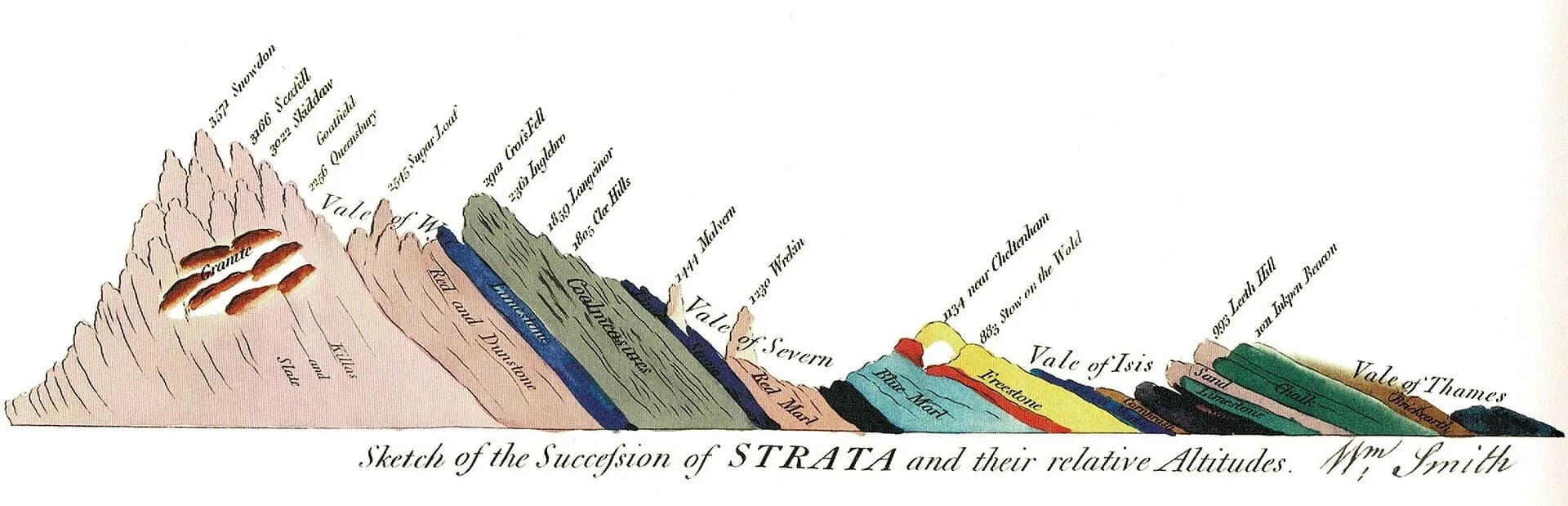
William Smith's hand-coloured 1816 sketch of the succession of strata, from the granite of Snowdon to the chalk of the Thames valley
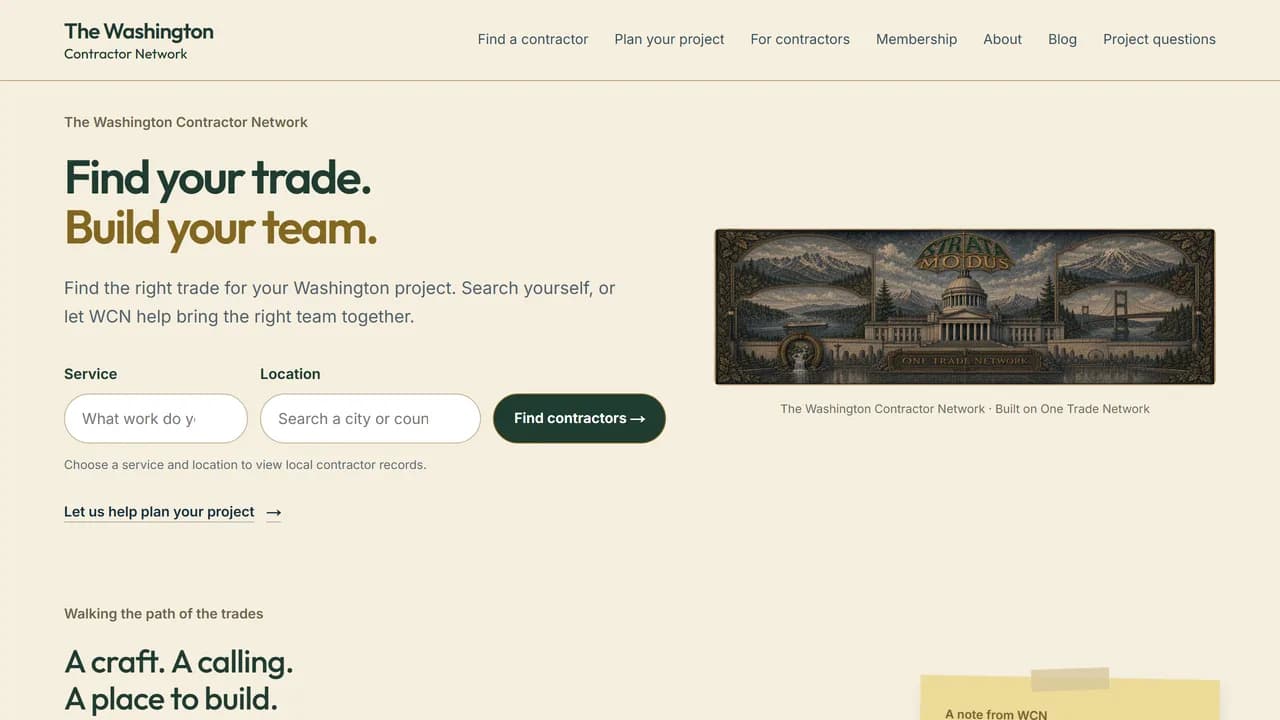
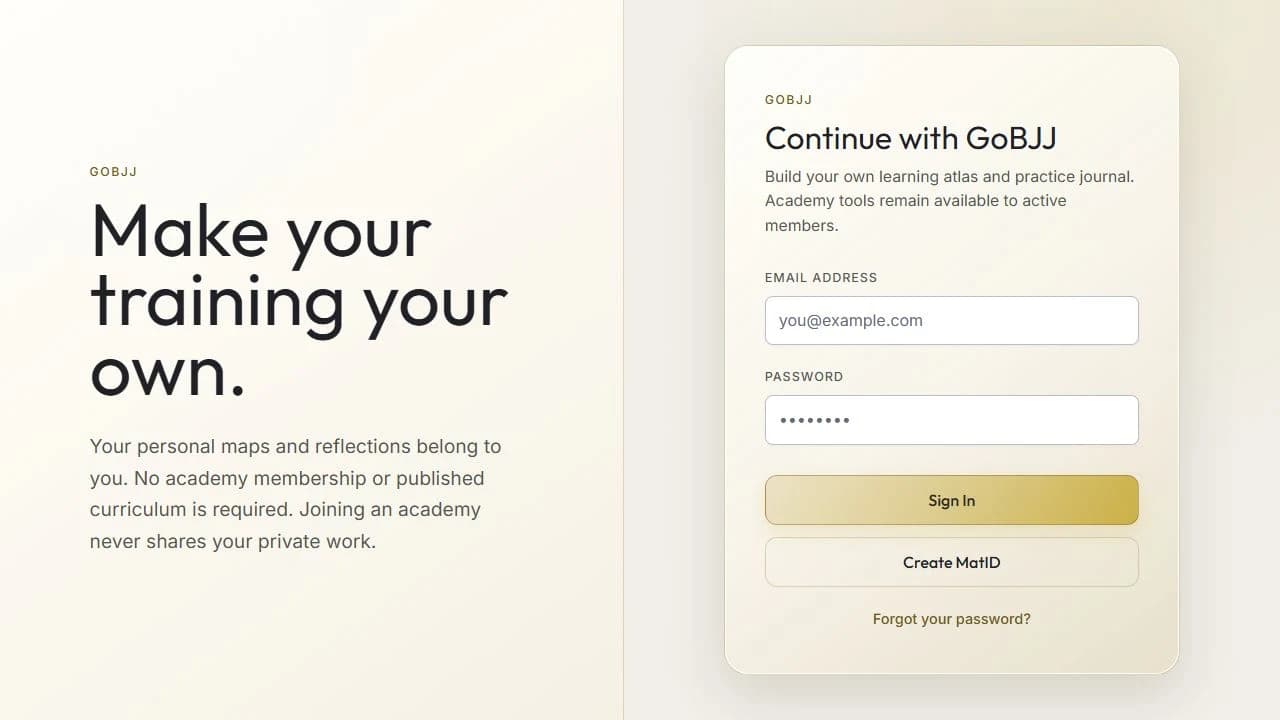
Above, GoBJJ. Below, William Smith, Sketch of the Succession of Strata and their relative Altitudes, 1816. Public domain, via Wikimedia Commons.

Build at the operating structure.

Business Integrations works in the operating structure. Strata Modus raises the information floor, from the physical layer to the digital surface.

  1. Convert
    The digital surface

    Where buyers search, ask AI and decide who to call: your website, Google, AI answers and campaigns.

    Marketing & AdvertisingWeb Design, Development & CRO
  2. Connect
    The signal layer

    How an inquiry reaches a person: AI voice, missed-call text back, intake, CRM and follow-up.

    AI & Business Automation
  3. Build
    The operating structure

    The systems the work runs on: strategy, software, technology and the integrations between them.

    Strategy & Fractional LeadershipCustom Software & IntegrationsTechnology Consulting
  4. Unearth
    The physical layer

    The work itself: crews, jobs, records, compliance and the numbers behind them.

    Compliance & Operational ReadinessBookkeeping & Payroll

The expertise behind the work

Connect software decisions with the people doing the work.

Micheal, Kyle and Deja bring business requirements, technical operation and customer experience into one implementation plan.

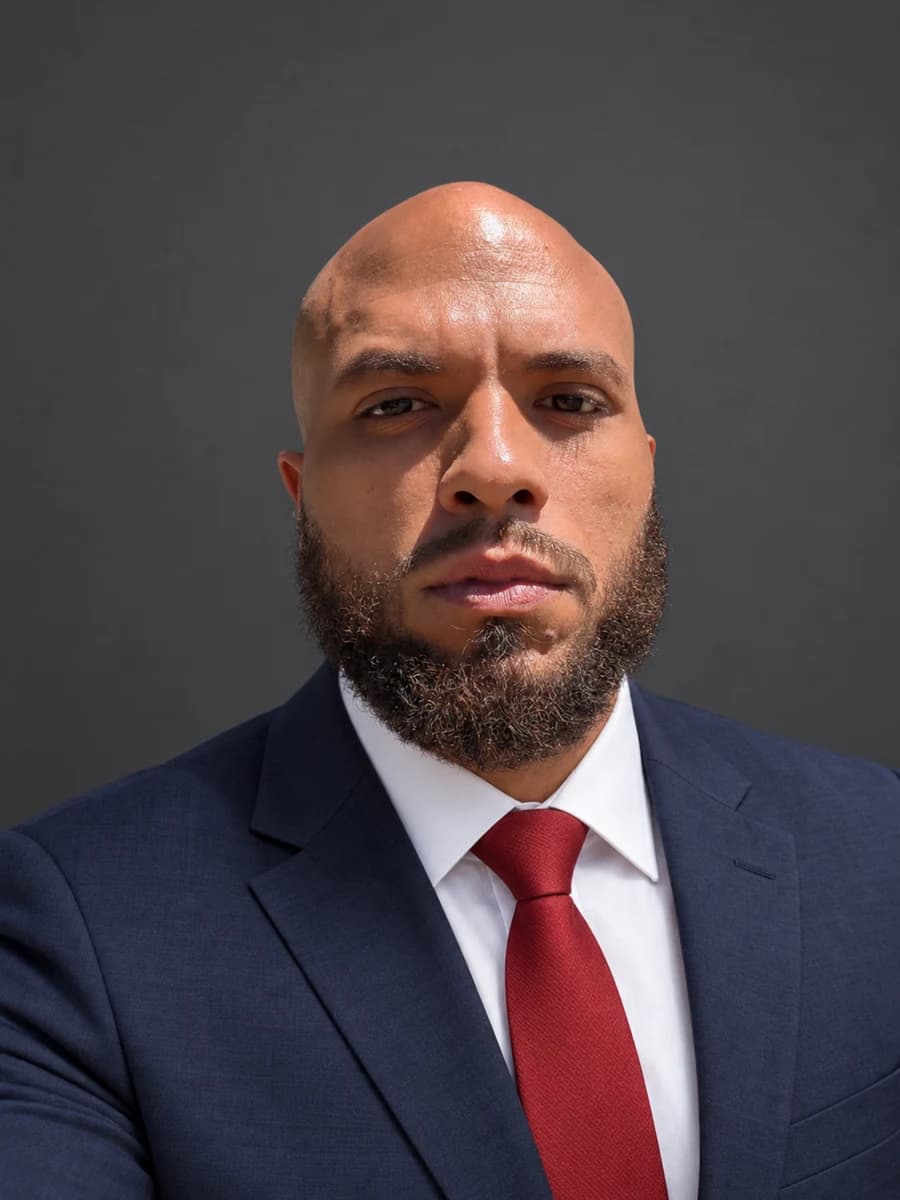
Portrait of Micheal Golliet wearing a navy suit, white shirt and red tie.

Business priorities & systems

Micheal Golliet

CEO & Growth Strategist

Micheal connects business strategy, information systems and financial analysis to a clear implementation scope, with accountable owners and useful reviews.

Explore Micheal’s experience
Portrait of Kyle Grenier with a full beard, wearing a navy polo shirt.

Infrastructure & IT operations

Kyle Grenier

IT Leader & Systems Administrator

Kyle has deployed networks across 65 locations supporting 85 businesses and resolved thousands of endpoint security threats for global enterprises while working for a Microsoft contractor. He connects security improvements with the systems your team uses every day.

Certifications & training (2)Explore all certifications →
Explore Kyle’s experience
Black-and-white portrait of Deja Gaines smiling.

Research & customer experience

Deja Gaines

Market Research & Customer Insights Lead

Deja brings market research and customer experience to understanding what people need, clarifying workflows and reviewing whether the work is useful to customers and staff.

Explore Deja’s experience

The business opportunity

Business Integrations,
with a clear purpose.

When tools disagree about a customer, job or appointment, staff spend time copying information and deciding which version to trust. A connection that simply moves every field can create a second problem if ownership and update rules remain unclear.

Micheal connects business requirements and systems; Kyle contributes infrastructure and operational reliability; Deja brings customer research and workflow usability. Connect the information each tool needs while preserving a clear source for important records. We map field meaning, identifiers and update direction, then account for duplicate events, unavailable services and the exceptions someone needs to review.

Build growth you keep.

Start with our infrastructure. Strengthen the assets in your business.

Strata tools & networks
Your retained assets

Commissioned application code, integrations and documentation.

See the ownership pathway

Shared Strata networks remain Strata-owned. Your commissioned assets and access are documented in the scope.

The engagement

What we build
with your business.

A defined scope gives your team a clear picture of the work and what it needs to operate.

01

Integration contract

Define source records, field mappings, identifiers and update direction.

02

Connection implementation

Use approved APIs or connectors for the agreed data flow.

03

Reliability handling

Configure validation, duplicate protection, retries and failure visibility.

04

Support documentation

Describe permissions, provider dependencies and how to diagnose a broken handoff.

From first conversation to working system

How the work moves.

  1. 01

    Inventory the tools

    Check provider capabilities, permissions and existing connections.

  2. 02

    Set data ownership

    Agree which system controls each field and record.

  3. 03

    Build the connection

    Implement and check the expected flow and exception cases.

  4. 04

    Operate with visibility

    Assign an owner for failures, provider changes and reconciliation.

Selected projects

See the thinking
in working projects.

These projects show how we connect presentation, discovery and useful systems.

Before we begin

Useful questions.

We’ll refine the details around your business in the first conversation.

Who handles business software and integrations?

Micheal Golliet, Kyle Grenier and Deja Gaines plan the software, workflow and implementation together. The proposal assigns setup, integration, testing and support responsibilities.

Can any two systems be integrated?

It depends on their APIs, export options and permissions. We verify what the providers support before promising the connection.

What if the same customer exists twice?

We define matching and duplicate rules before moving data. Ambiguous records should go to review rather than being merged automatically.

Does this include a full data migration?

A migration has separate mapping, reconciliation and cutover needs. It can be scoped alongside the integration when your business requires it.

Make the next decision with context

From the service to your business decision.

Explore the business growth FAQ ↗

Meet the people.
Define the work.

Consultation-scoped pricing

This work is scoped separately after consultation. Your proposal defines implementation, responsibilities and any ongoing support.

Read the pricing and scope termsDiscuss the work for your business

Start with your business

Put Business Integrations to work.

Tell us what needs to improve and what you use today. We can help plan the change, build the solution and provide ongoing support, with responsibilities and pricing agreed in your proposal.
Let’s talk