Current workflow map
Document triggers, decisions, tools and the people responsible.
AI & Business Automation
Make the handoff happen every time.
Workflow automation helps service businesses respond to inquiries, prepare quotes and follow through on recurring customer steps without relying on memory. We connect routine work across scheduling and records so staff can focus on conversations and delivery.
Discuss this serviceExplore the scopeExplore Lead Intake & Follow-upEach step is observable, with an owner for exceptions.
Inquiry, sales and delivery handoffs keep an assigned owner and visible status.
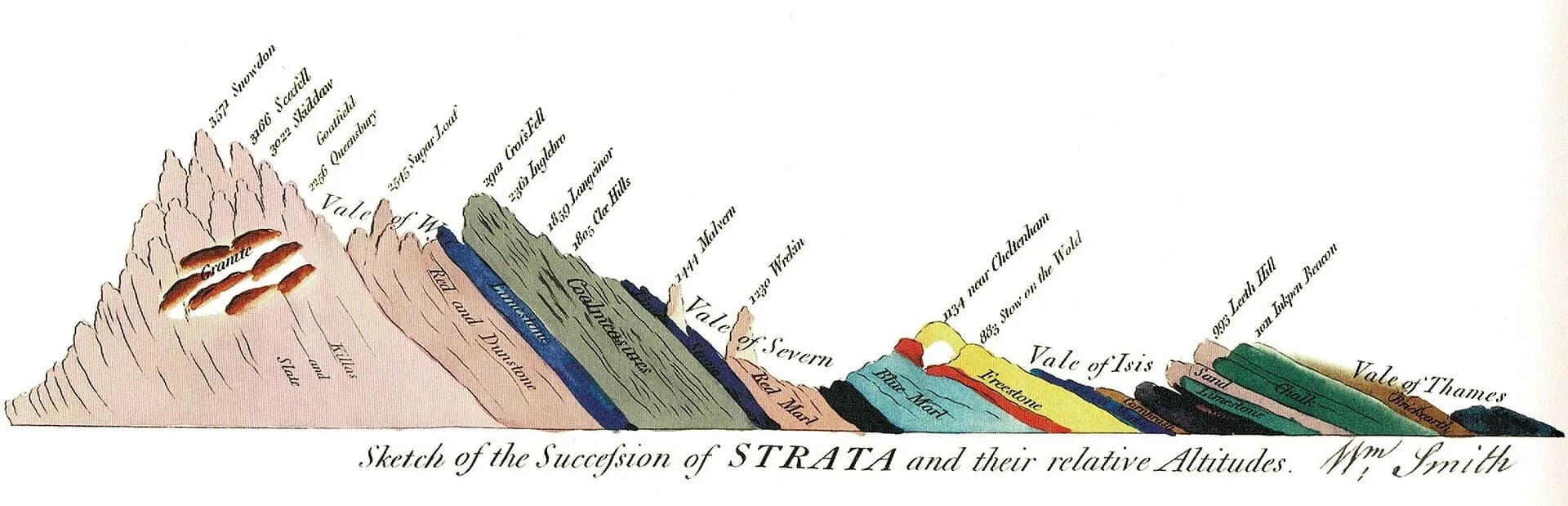
Workflow Automation works in the signal layer. Strata Modus raises the information floor, from the physical layer to the digital surface.
Where buyers search, ask AI and decide who to call: your website, Google, AI answers and campaigns.
Marketing & AdvertisingWeb Design, Development & CROHow an inquiry reaches a person: AI voice, missed-call text back, intake, CRM and follow-up.
AI & Business AutomationThe systems the work runs on: strategy, software, technology and the integrations between them.
Strategy & Fractional LeadershipCustom Software & IntegrationsTechnology ConsultingThe work itself: crews, jobs, records, compliance and the numbers behind them.
Compliance & Operational ReadinessBookkeeping & PayrollThe business opportunity
A small task can cross several tools and still depend on someone remembering it. Copying an inquiry, chasing a document or sending an appointment reminder consumes attention and leaves the team unsure whether the next step happened.
Give routine work a defined path and make exceptions visible. We map the actual process before connecting tools, assign responsibility at each handoff and keep a useful record of what ran, what failed and what needs a person.
Start with our infrastructure. Strengthen the assets in your business.
Documented workflows, configurations and operating instructions.
Shared Strata networks remain Strata-owned. Your commissioned assets and access are documented in the scope.
The engagement
A defined scope gives your team a clear picture of the work and what it needs to operate.
Document triggers, decisions, tools and the people responsible.
Connect agreed events and actions with duplicate and error handling.
Make failed steps and unusual requests visible to an assigned owner.
Describe permissions, monitoring, changes and the fallback routine.
From first conversation to working system
Follow a real example from the first event to completion.
Select repeatable tasks and clarify the decisions that remain human.
Check ordinary runs, duplicates, tool failures and recovery.
Hand over monitoring and review the workflow as business needs change.
Selected projects
These projects show how we connect presentation, discovery and useful systems.
Before we begin
We’ll refine the details around your business in the first conversation.
Often you can keep it. We check available integrations and identify any limitations before recommending another tool.
The design includes visible failures, an assigned owner and an agreed recovery path. Retry and duplicate behavior are defined for each workflow.
We can, but the decisions and ownership need to be clear. Sometimes simplifying the process first avoids repeatedly rebuilding the automation.
Make the next decision with context
This work is scoped separately after consultation. Your proposal defines implementation, responsibilities and any ongoing support.
Read the pricing and scope termsDiscuss the work for your businessStart with your business
Tell us what needs to improve and what you use today. We can help plan the change, build the solution and provide ongoing support, with responsibilities and pricing agreed in your proposal.