
Compliance & Operational Readiness

AI Governance & Employee Training

Set clear rules for useful, accountable AI work.

AI governance and training establish which uses fit your business, what information staff may share and when a person must review the result. We document approved workflows, configure access and review steps, then train staff around their real tasks.

Discuss this serviceExplore the scopeExplore Strategy & Business Operations

Clear rules keep people accountable.

Approved tasks have an owner, a review step and a route for exceptions.

  1. Selected use case
  2. Approved access and inputs
  3. Human review
  4. Maintained team practice

New tools and workflows return to the agreed review process.

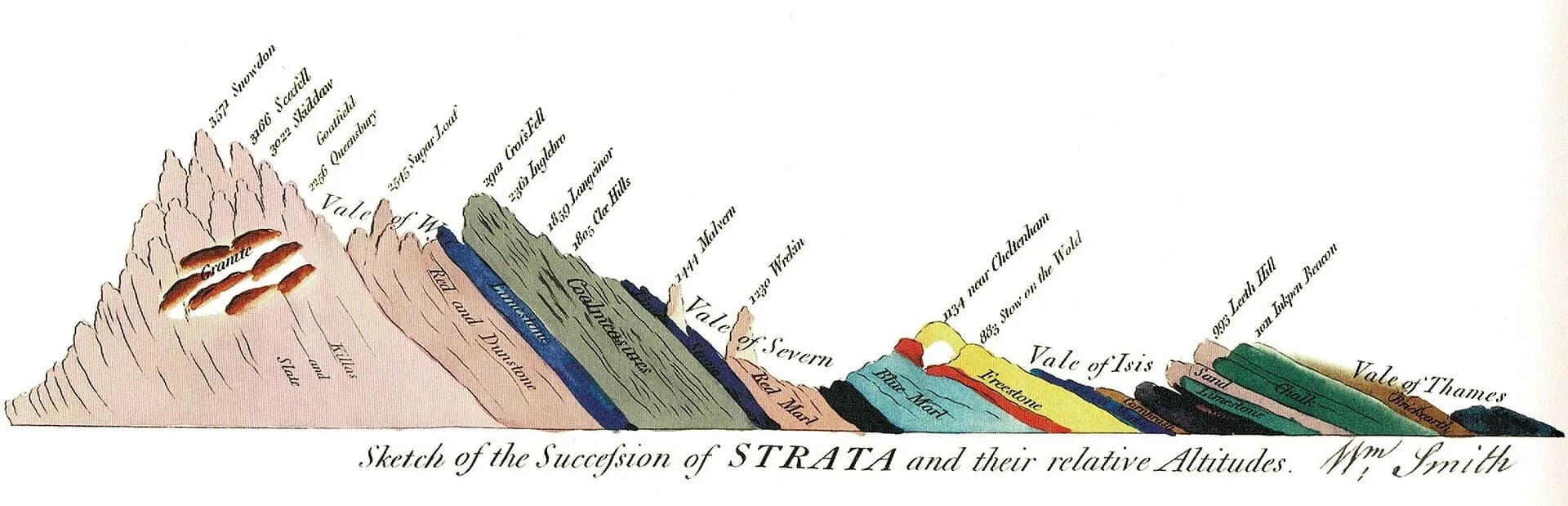
William Smith's hand-coloured 1816 sketch of the succession of strata, from the granite of Snowdon to the chalk of the Thames valley
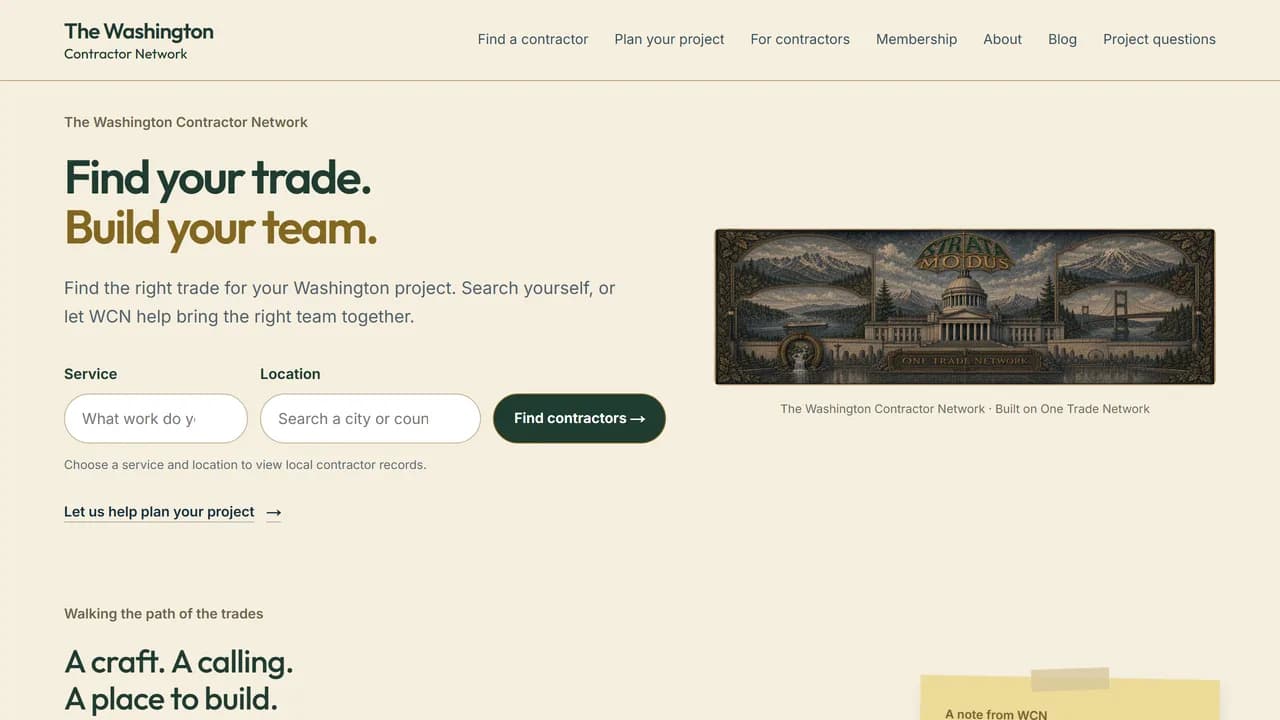
Above, Washington Contractor Network. Below, William Smith, Sketch of the Succession of Strata and their relative Altitudes, 1816. Public domain, via Wikimedia Commons.

Unearth at the physical layer.

AI Governance & Team Training works in the physical layer. Strata Modus raises the information floor, from the physical layer to the digital surface.

  1. Convert
    The digital surface

    Where buyers search, ask AI and decide who to call: your website, Google, AI answers and campaigns.

    Marketing & AdvertisingWeb Design, Development & CRO
  2. Connect
    The signal layer

    How an inquiry reaches a person: AI voice, missed-call text back, intake, CRM and follow-up.

    AI & Business Automation
  3. Build
    The operating structure

    The systems the work runs on: strategy, software, technology and the integrations between them.

    Strategy & Fractional LeadershipCustom Software & IntegrationsTechnology Consulting
  4. Unearth
    The physical layer

    The work itself: crews, jobs, records, compliance and the numbers behind them.

    Compliance & Operational ReadinessBookkeeping & Payroll

The expertise behind the work

Give people the skills and controls to use AI well.

Training, security and operating responsibilities belong in the same implementation plan.

Portrait of Allana Steele wearing a navy dress and pearl necklace.

Responsible AI adoption & controls

Allana Steele

Director of Compliance & Automation Controls

Allana has delivered LLM training and advised teams on responsible AI use. Her control-execution experience supports documented review points, ownership and evidence.

Explore Allana’s experience

Keegan Justis's illustrated avatar, wearing an orange shirt and gray hoodie against a blue mountain backdrop.

Cloud architecture & security

Keegan Justis

Chief Security Consultant & Cloud Architect

A decade in cloud development, operations and cybersecurity at Fortune 500 and private equity companies. Keegan brings that experience to architecture decisions, AI systems and security-sensitive implementation.

Certifications & training (3)Explore all certifications →
Explore Keegan’s experience

The business opportunity

AI Governance & Team Training,
with a clear purpose.

Staff may already be trying AI tools without shared guidance on customer information, accuracy, approvals or how to handle a poor result. That can leave managers unsure which uses are acceptable and who owns the final decision.

Give the team practical boundaries they can follow and a clear person responsible for each AI-supported workflow. Routine drafting or sorting can reduce repetitive work while staff retain customer conversations, approvals and decisions that need judgment.

Build growth you keep.

Start with our infrastructure. Strengthen the assets in your business.

Strata tools & networks
Your retained assets

Your procedures, readiness records and team documentation.

See the ownership pathway

Shared Strata networks remain Strata-owned. Your commissioned assets and access are documented in the scope.

The engagement

What we build
with your business.

A defined scope gives your team a clear picture of the work and what it needs to operate.

01

AI workflow inventory

Record current and proposed uses, the information involved and the person accountable for each outcome.

02

Use and data handling guide

Document approved tasks, information limits, review expectations and escalation steps.

03

Access and review workflow

Configure agreed permissions, human checks and exception handling in the approved tools.

04

Role-based team training

Practice realistic examples, review standards and reporting paths with the people who will use the workflows.

From first conversation to working system

How the work moves.

  1. 01

    Select the use cases

    Choose work where AI may help and identify customer, staff or business information involved.

  2. 02

    Set the boundaries

    Agree on approved tools, access, data handling, review responsibility and restricted uses.

  3. 03

    Configure and document

    Set up the approved workflow and write guidance in language staff can use.

  4. 04

    Train and revisit

    Practice the process and agree how changes, incidents and new uses will be reviewed.

Before we begin

Useful questions.

We’ll refine the details around your business in the first conversation.

What will employees learn?

Staff practice useful tasks in the tools approved for their role, learn which information they can share and how to review an AI result. Each workflow includes a person to contact when an answer or request needs judgment.

Which AI tools do you support?

We review the tools already approved for your business and the workflow requirements during consultation. Any recommendation, setup and ongoing support are named in the agreed scope.

Can AI make decisions for our staff?

We define where a tool may draft, organize or route information and where a named person must review or decide. Customer-facing judgment and approvals stay with the responsible person.

How is the work scoped and priced?

Pricing depends on the workflows, users, access model, documentation and training needed. We confirm those items and any ongoing review during consultation.

Meet the people.
Define the work.

Consultation-scoped pricing

This work is scoped separately after consultation. Your proposal defines implementation, responsibilities and any ongoing support.

Read the pricing and scope termsDiscuss the work for your business

Start with your business

Put AI Governance & Team Training to work.

Tell us what needs to improve and what you use today. We can help plan the change, build the solution and provide ongoing support, with responsibilities and pricing agreed in your proposal.

Let’s talk